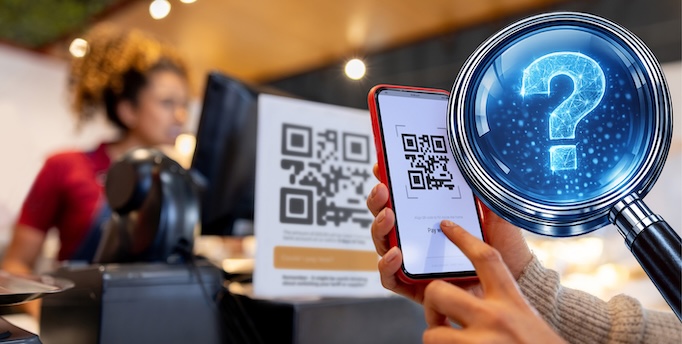
QR codes are everywhere these days, popping up on restaurant menus, parking meters and conference badges. Short for “Quick Response code,” a QR code is square-shaped barcode you scan using your phone that leads you to further information, such as connecting to Wi-Fi, downloading an application or connecting to a website or payment authorization portal. As they offer speed and convenience to valuable information, QR codes have become a powerful marketing tool in the title industry, by allowing customers to easily access contact information, websites, educational materials and other key resources.
However, that convenience comes with potential risk. Cybercriminals have discovered that QR codes can be an effective tool for phishing, credential theft and wire fraud—threats that title professionals are already working hard to prevent. Familiarizing yourself with potential QR code scams, as well as how to deploy QR codes safely, is essential for protecting your customers, clients and business.
QR Codes in Real Estate
QR codes can enhance efficiency and customer service by helping connect mobile‑first consumers with information quickly. In a title environment, QR codes are often used to:
- Direct customers to digital business cards
- Share educational title and settlement resources
- Provide access to FAQs and document checklists
- Distribute marketing materials at events
- Support conference and trade show engagement
When used or accessed without caution, however, QR codes can introduce new security vulnerabilities. The key is ensuring they support the security practices you already have in place without creating weak points that fraudsters can exploit.
Scammers and QR Codes
With their rise in popularity, QR codes have become a growing target for fraudsters. A fraudulent QR code will lead the viewer to a fake website or it can trigger the download of malware that compromises personal information. Since personal phones often bypass cybersecurity protections usually found on work computers, scanning a fake QR code makes it very easy for scammers to trick you. Tactics include:
- Covering real QR codes with fake ones.
- Posting fraudulent QR codes into social media ads.
- Sending fake QR codes via email or text message (often embedded inside PDFs or Word doc attachments).
- Requesting that you verify your information by scanning an imposter QR code.
- Mentioning urgent-sounding topics that need your attention (like “payroll update” or “DocuSign”).
- Routing you through one or more legitimate domains before landing on a fake website.
- Adding fake security measures to look credible and fool security systems (like a fake “I’m not a robot” box).
Best Practices for Deploying QR Codes Safely
1. Always Control the Destination
Only generate QR codes that point to company-owned and secured domains. Avoid using third‑party link shorteners or external redirect services that can be easily hijacked or altered.
- Use HTTPS‑secured URLs
- Host QR destinations on your official website or portal
- Avoid dynamically editable QR codes that allow you to change the destination URL or content after they have been printed or distributed, unless access is tightly restricted.
2. Clearly Label the Purpose of the QR Code
A QR code should never be a mystery. Clearly explain what the code does, where it leads and how it should be used. For example: “Scan this QR code to access information about our title and closing services at Nameofcompany.com.” Context builds trust and reduces the chance that someone might scan a fraudulent code out of curiosity.
3. Protect Physical QR Codes from Tampering
Printed QR codes on desks, signage or brochures can be swapped out or covered with malicious stickers. To reduce this risk:
- Place QR codes behind protective sleeves or signage
- Inspect physical locations regularly
- Avoid leaving unattended QR codes in public areas
- Remove outdated or unused codes promptly
- Remember: If a QR code can be physically accessed by the public, it should never point to sensitive information.
4. Train Employees and Educate Customers
Your security knowledge is only as strong as your least‑informed user. Employee training should include:
- How QR code scams work
- When QR codes are appropriate to use
- How to spot suspicious red flags (unexpected prompts, login requests or payment instructions)
Customer education is equally important. Educate your customers about:
- How your company will (and will not) utilize QR codes
- Scanning QR codes from unknown senders, especially claiming an urgent request
- Never entering personal or financial information or unsecured and unverified websites
- Encouraging customers to ask about QR codes when unsure
5. Test and Monitor QR Code Links
QR codes should be treated like any other digital asset. On a regular basis:
- Test the link destination
- Confirm that it hasn’t changed or broken
- Ensure security certificates remain valid
If a QR code is no longer needed, disable the link or remove the code entirely
A Final Thought: Convenience Should Never Override Caution
QR codes are not inherently risky. Like any technology, they depend on how they’re implemented and explained. For title insurance professionals operating in a high‑risk fraud environment, a thoughtful approach to QR code use is essential. By following clear security standards, educating employees and consumers and avoiding high‑risk applications, title companies can enjoy the benefits of using QR codes—without opening the door to new threats.